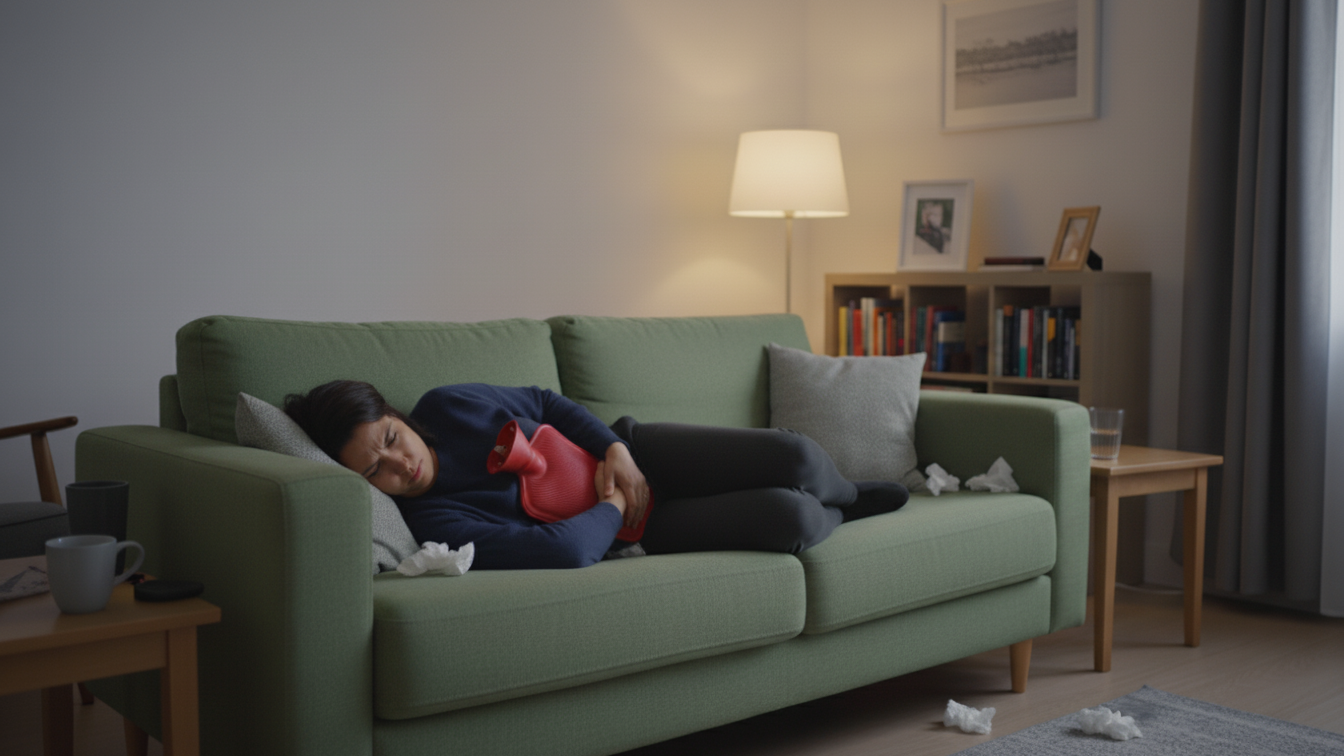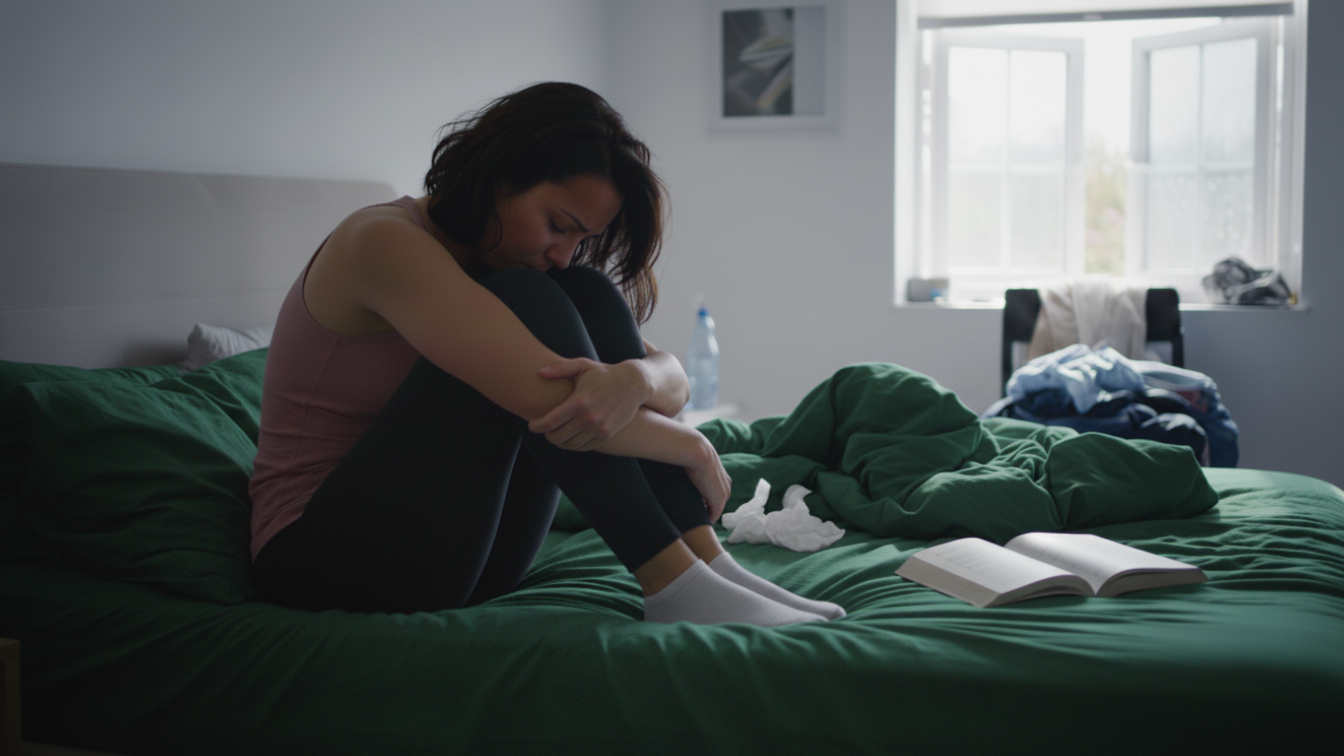
Living with a chronic condition such as Interstitial Cystitis (IC) can influence emotional well-being. Changes in mood and increased stress are common experiences for many people managing ongoing symptoms.
This article explores possible reasons for these emotional changes and shares gentle, non-clinical ways some people support their emotional resilience.
Ongoing discomfort or pain can affect daily routines — including sleep, work, relationships, and intimacy. Over time, these disruptions may contribute to emotional strain, frustration, or low mood.
Everyone’s experience is different, and emotional responses can vary widely.
Some people find the following practices helpful as part of their personal coping routine:
Gratitude journaling
Mindful or slow breathing
Setting small, achievable goals
Gentle movement, within personal limits
Small, consistent habits can sometimes help people feel more grounded over time.
If feelings of anxiety, sadness, or emotional distress become overwhelming or persistent, speaking with a qualified mental health professional or joining a support group may be helpful.
Seeking support is a sign of strength — not failure.
Comments are closed