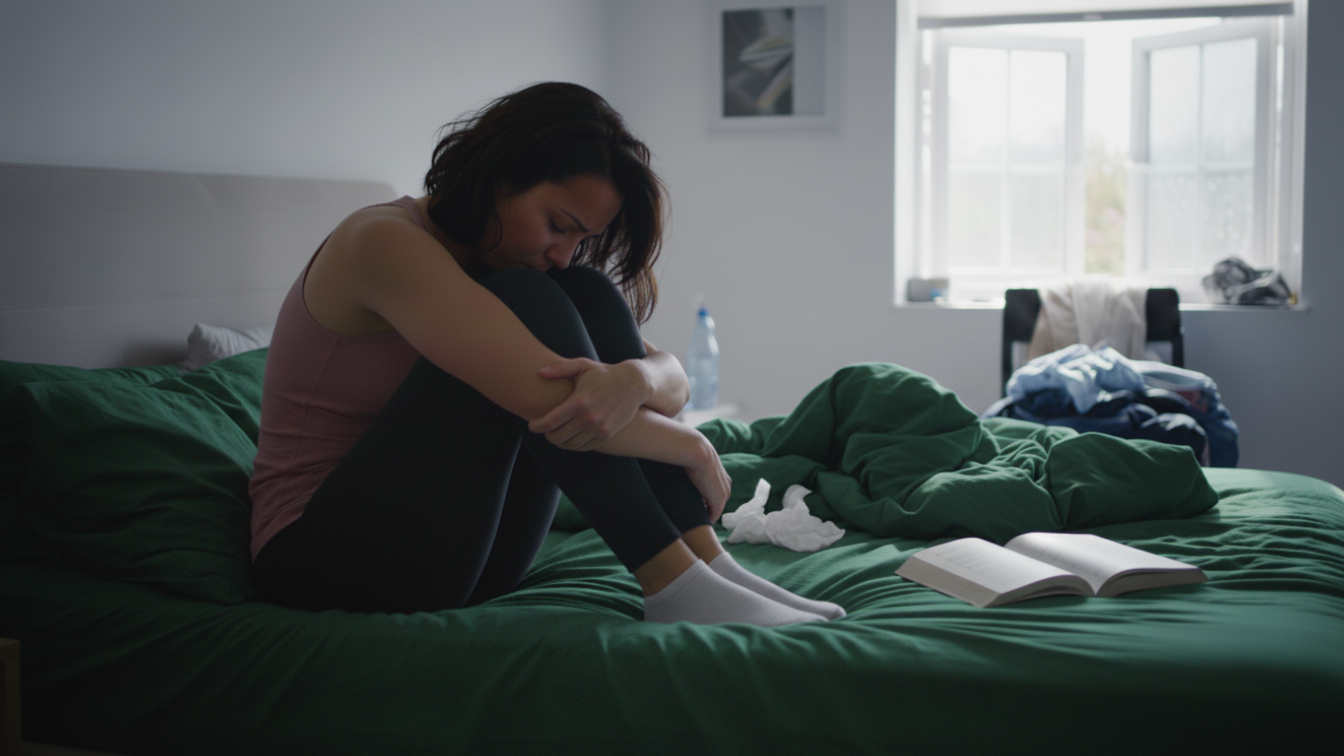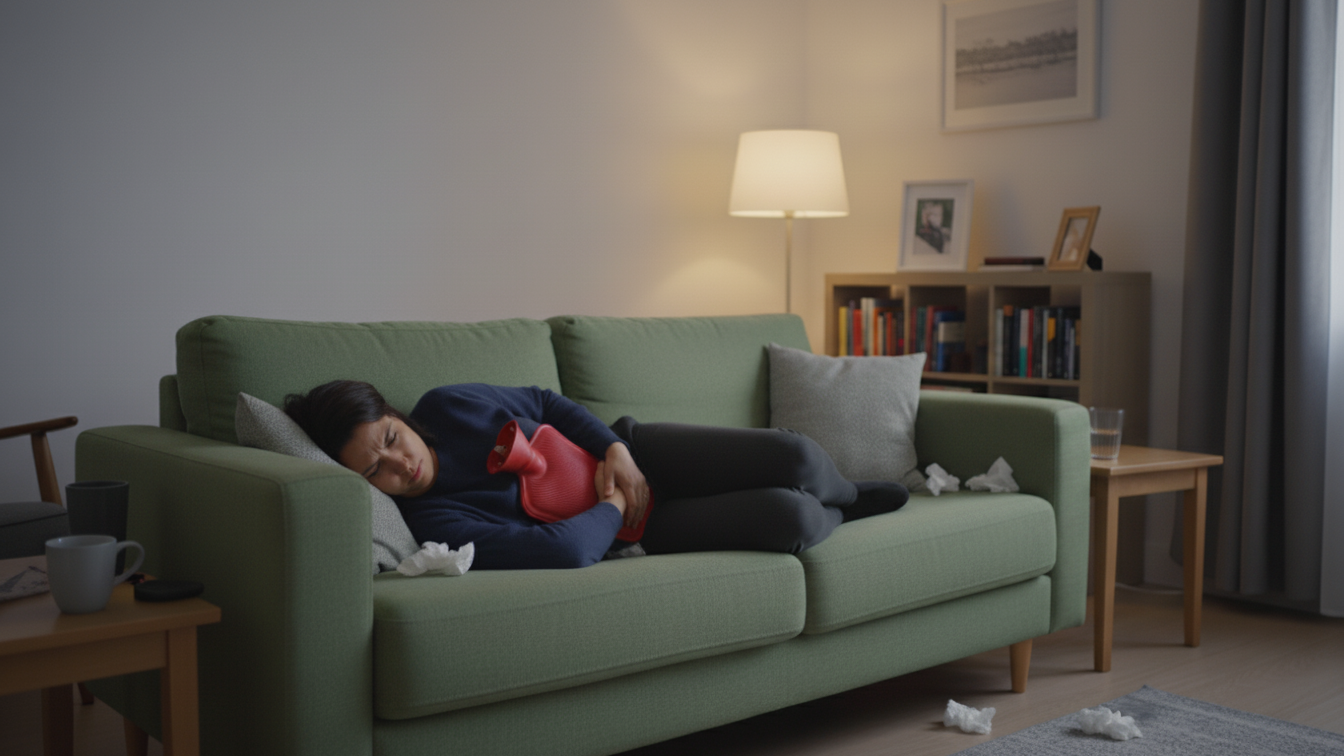
Living with chronic symptoms can feel draining. Many people experience emotions such as anxiety, grief, frustration, or isolation while managing a long-term condition. These feelings are valid — and you don’t have to face them alone.
Ongoing discomfort and frequent interruptions, such as disrupted sleep or repeated bathroom visits, can increase stress and mental fatigue over time. Emotional responses to chronic symptoms can vary from person to person.
Some people find the following practices supportive as part of their personal routine:
Deep or slow breathing
Journaling thoughts or emotions
Taking mindful breaks during the day
Talking with trusted or supportive friends
Self-care looks different for everyone, and it’s okay to move at your own pace.
If emotional distress, anxiety, or low mood becomes overwhelming or persistent, consider speaking with a qualified mental health professional or exploring peer support groups.
Seeking support is a positive and proactive step.
Small moments count. A day with fewer flares, a calm walk, or a peaceful moment in nature can be meaningful and worth acknowledging.
Comments are closed