One of the challenging aspects of Interstitial Cystitis (IC) is the unpredictability of flares, periods when symptoms temporarily increase. This article provides an educational overview...
Receiving a diagnosis of Interstitial Cystitis (IC) can feel overwhelming. You may feel relieved to finally have a name for your symptoms — and also...
Interstitial Cystitis (IC) — also called Painful Bladder Syndrome (PBS) — is a chronic bladder condition that causes bladder pain, pelvic pressure, and a frequent or urgent need to urinate. IC affects millions of people worldwide, most commonly women, but anyone can develop it.
IC is not an infection and it is not contagious. Symptoms may range from mild discomfort to severe daily pain that affects sleep, work, relationships, and quality of life. Although there is currently no single cure, many people find relief through lifestyle changes, medical treatments, and self-care strategies.
What Is Interstitial Cystitis?
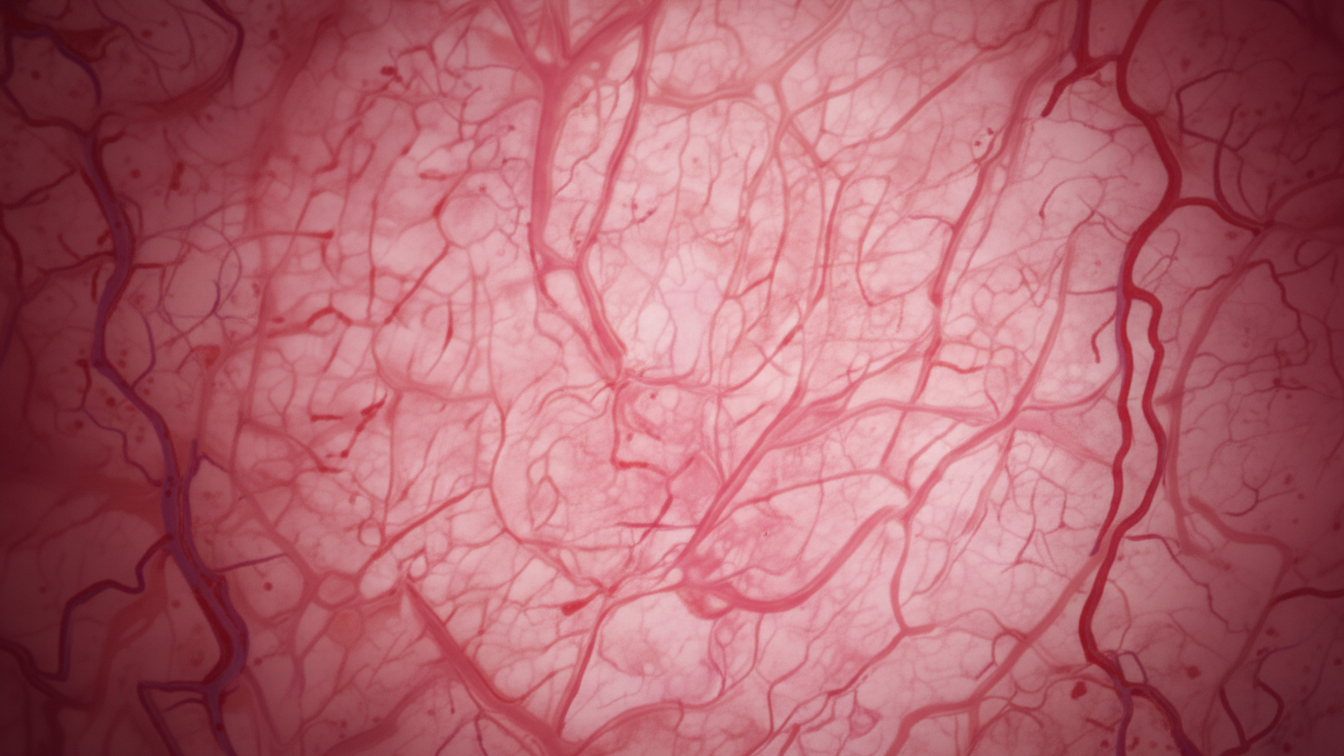
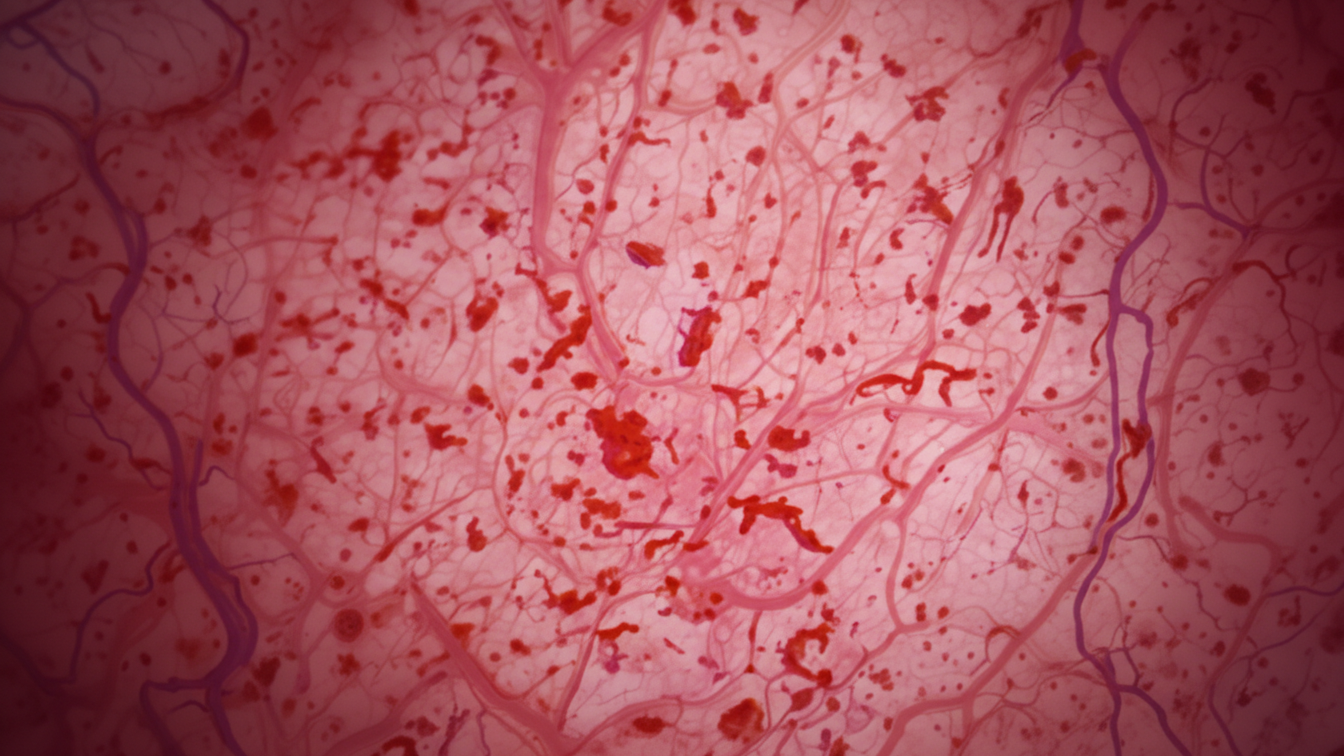
Interstitial cystitis is a disorder that affects the bladder lining and surrounding nerves and muscles. People with IC often feel like they have a urinary tract infection (UTI), but tests show no infection or bacteria.
Common symptoms include:
Frequent urination (sometimes 20–60+ times a day in severe cases)
Strong, constant urge to urinate
Bladder or pelvic pain
Pressure or burning sensation
Pain that worsens as the bladder fills
Relief after urinating (but only temporary)
Pain during sex
Abdominal or lower back pain
Disrupted sleep from nighttime urination
Symptoms often come and go in flares, triggered by stress, certain foods, hormones, illness, or pelvic muscle tension.
Who Gets Interstitial Cystitis?
Interstitial cystitis can affect:
Women
Men
Non-binary individuals
Teens (rarely)
It is more common in people assigned female at birth and often appears between ages 30–50, though it can develop at any age.
Many people with IC also have other chronic pain or inflammatory conditions, such as:
Irritable bowel syndrome (IBS)
Endometriosis
Vulvodynia
Pelvic floor dysfunction
Fibromyalgia
Migraines
Autoimmune conditions
What Causes Interstitial Cystitis?
The exact cause of IC is still unknown. Researchers believe several factors may contribute:
Damage or weakness in the bladder lining
Nerve hypersensitivity
Pelvic floor muscle dysfunction
Immune or inflammatory reaction
Hormonal changes
Past infections or injuries
Genetic factors in some people
IC is not caused by poor hygiene or sexual activity, and it is not your fault.
How Is Interstitial Cystitis Diagnosed?
There is no single test for IC. Doctors diagnose it by:
Reviewing symptoms
Ruling out infections and other conditions
Performing urine tests or cystoscopy if needed
Assessing pelvic floor function
Conditions to rule out may include:
Urinary tract infections
Kidney stones
Bladder cancer (rare)
STIs
Overactive bladder
Gynecological conditions
Many people experience delays in diagnosis — if your symptoms persist, keep advocating for yourself.
Is Interstitial Cystitis the Same as Overactive Bladder?
No. While both may cause frequent urination:
Interstitial Cystitis
Overactive Bladder
Pain & pressure common
Usually no pain
Bladder may feel inflamed
Primarily nerve signaling issue
Pain worsens with bladder filling
Urgency without pain
Some people may experience features of both.
How Is Interstitial Cystitis Treated?
There is no single “cure,” but many people improve with treatment. Doctors often recommend a layered approach:
Lifestyle & Diet Changes
Certain foods may irritate the bladder, including:
Coffee & tea
Soda
Alcohol
Citrus & tomatoes
Spicy foods
Artificial sweeteners
Chocolate
Many people benefit from an IC-friendly elimination diet to identify triggers.
Pelvic Floor Physical Therapy
This may help when pelvic muscles are tight or painful.
Stress Reduction & Mind-Body Therapy
Stress can worsen flares.
Medications
Some doctors may prescribe:
Antihistamines
Bladder-coating medications
Pain relief options
Nerve-calming medications
Bladder Treatments
Such as bladder instillations or hydrodistension (in select cases).
Other Therapies
Heat or ice therapy
Relaxation techniques
Gentle stretching
Surgery is rarely needed and used only in severe cases.
Living With Interstitial Cystitis
IC can impact:
Work life
Emotional health
Relationships
Sexual intimacy
Social activities
But with proper support and treatment, many people regain control over their symptoms and quality of life.
Self-care strategies may include:
Following an IC-friendly diet
Staying hydrated (but not over-hydrated)
Managing stress
Wearing comfortable clothing
Tracking triggers & flares
Joining support communities
What Triggers IC Flares?
Common triggers include:
Stress or anxiety
Certain foods or drinks
Hormonal changes
Tight clothing
Sexual activity
Pelvic injury
Illness or infection
Travel or long sitting
Lack of sleep
Everyone is different — keeping a symptom journal can help.
Interstitial Cystitis and Mental Health
Chronic pain can lead to:
Anxiety
Depression
Isolation
This is normal and valid — support from therapists, support groups, and loved ones can help.
You are not alone.
When Should You See a Doctor?
Seek medical advice if you experience:
Persistent bladder pain
Frequent urination without infection
Burning or pressure
Blood in urine
Pain during intercourse
Symptoms affecting daily life
Early support can prevent worsening symptoms.
Can Interstitial Cystitis Go Away?
Some people experience long-term remission. Others manage IC like a chronic condition. With treatment, many people significantly reduce pain and urgency over time.
Final Thoughts: There Is Hope
Interstitial Cystitis is real, complex, and sometimes overwhelming — but relief is possible. With the right information, support, and care plan, many people learn to live full and meaningful lives again.
This website uses cookies to improve your experience. By using this website you agree to our Privacy Policy.