One of the challenging aspects of Interstitial Cystitis (IC) is the unpredictability of flares, periods when symptoms temporarily increase. This article provides an educational overview...
Receiving a diagnosis of Interstitial Cystitis (IC) can feel overwhelming. You may feel relieved to finally have a name for your symptoms — and also...
Living with Interstitial Cystitis (IC) can be challenging, especially when symptoms like bladder discomfort, urgency, or pelvic pressure affect daily life. This article provides an educational overview of lifestyle factors that people often discuss with healthcare providers when managing IC. Experiences vary widely — what works for one person may not work for another.
Why Lifestyle Factors Matter in IC
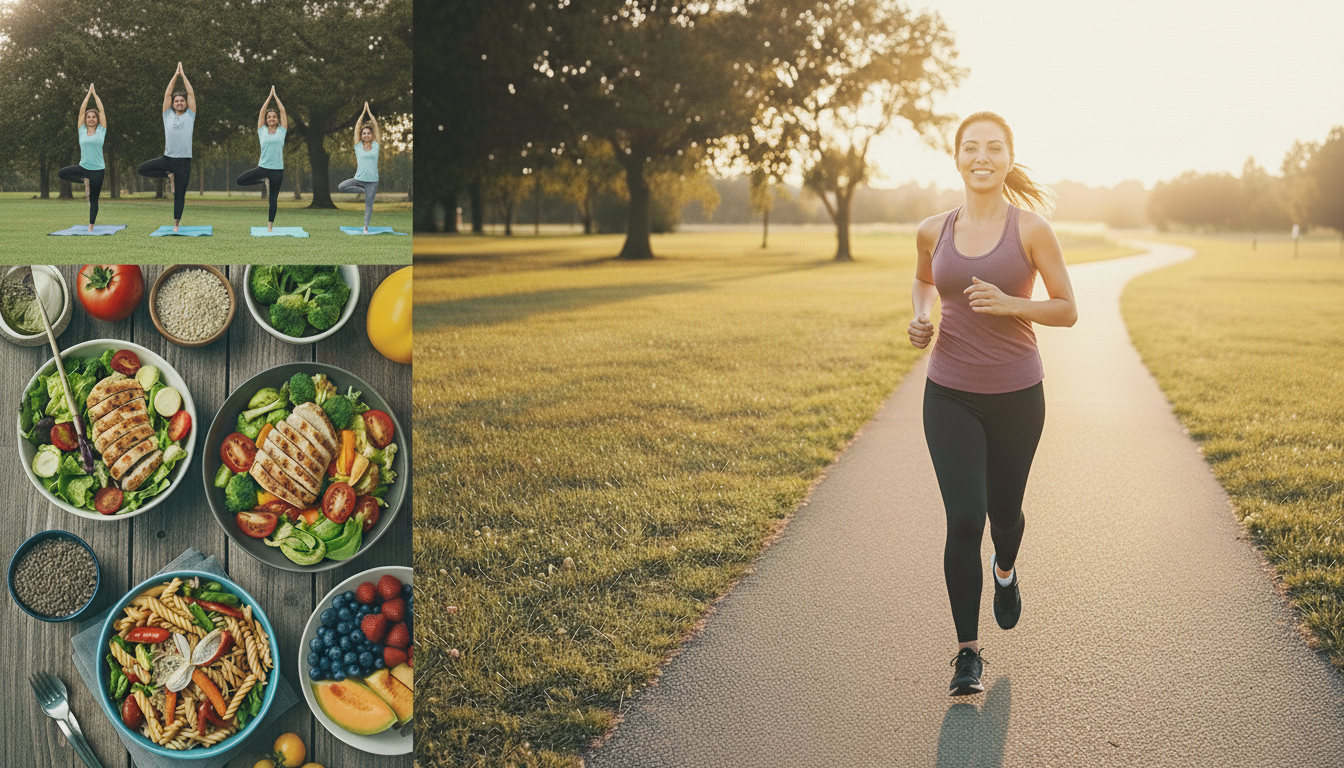
IC can affect more than the bladder — it can influence sleep, digestion, hormone balance, mental health, and daily routines. Many people explore healthy habits to support overall well-being and symptom awareness:
Observing patterns related to bladder irritation
Understanding potential symptom triggers
Supporting energy and stress management
Encouraging general pelvic health and flexibility
Healthy living is about listening to your body and finding what may be comfortable or manageable, rather than perfection.
Nutrition and Bladder Sensitivity
Food is a commonly reported factor in IC symptom fluctuations. People often explore diet choices or temporary elimination plans in consultation with healthcare providers to identify personal triggers.
Commonly Reported Well-Tolerated Foods
Some people report tolerating:
Plain chicken, turkey, and fish
Rice, oats, potatoes
Leafy greens and vegetables
Pears, blueberries, and peeled apples
Eggs
Dairy alternatives such as rice milk
Commonly Reported Potential Triggers
Certain foods or drinks are often mentioned as potential irritants, including:
Coffee and tea (including decaf)
Alcohol
Citrus fruits
Tomatoes
Spicy foods
Chocolate
Artificial sweeteners
Carbonated drinks
Keeping a food and symptom journal may help identify patterns, though individual experiences vary.
Hydration
People with IC often discuss finding a balanced approach to hydration, as both too little and too much fluid intake can be uncomfortable. Individual guidance from a healthcare provider is recommended.
Stress, Sleep, and Relaxation
Stress does not cause IC, but some people report that stress can coincide with symptom flares. Strategies people explore include:
Deep breathing or relaxation exercises
Gentle movement or stretching
Mindfulness or meditation
Nature walks or creative hobbies
Talking with a counselor or therapist
Similarly, quality sleep can support general well-being. Approaches people may discuss include limiting bladder-irritating drinks before bedtime, creating a calming routine, and using relaxation techniques.
Pelvic Floor Health and Movement
Some individuals with IC experience pelvic floor tension. In professional care settings, people may explore:
Pelvic floor evaluation or therapy by a trained specialist
Gentle movement such as walking or swimming
Stretching and relaxation exercises
It is important to adapt movement to personal comfort and seek guidance from qualified professionals if needed.
Emotional Well-Being and Support
Living with chronic symptoms can bring frustration, sadness, or isolation — feelings that are valid and common. Support may include:
Open communication with loved ones
Counseling or therapy
Connecting with peer communities
Practicing self-compassion
Awareness and connection can help people feel understood and supported.
Everyday Considerations
People often explore small adjustments in daily routines to support comfort and awareness, such as:
Wearing comfortable clothing
Taking breaks from long periods of sitting
Practicing posture awareness
Using heat packs for temporary comfort
Planning ahead for travel or potential flares
A Compassionate Reminder
There is no single lifestyle plan for IC — only what each person finds manageable. Learning about your body, observing patterns, and working with supportive healthcare providers can help you understand your own experiences.
Healthy living is a journey. Small steps, self-compassion, and support from professionals or peers can make daily life more understandable. You are not alone.
This content is for educational purposes only and does not provide medical advice, diagnosis, or treatment. Always consult a qualified healthcare professional regarding IC or lifestyle strategies.
This website uses cookies to improve your experience. By using this website you agree to our Privacy Policy.