Search for Interstitial CystitisBladderpain Syndrome

Recommended for you Refresh

  • About Interstitial Cystitis
  • ❘
  • Healthy Living
  • ❘
  • IC Support Videos
  • ❘
Interstitial Cystitis Today

Welcome

Homepage
My Story Must Read
Blog articles
FAQ
Contact

Explore

About Interstitial Cystitis
Healthy Living
IC Support Videos

Your Guide

About IC
Symptoms & Flares
Treatments & Care
IC-Friendly Diet
Living with IC
Mind & Emotions
Symptoms

What Is an IC Flare? Triggers and Observed Coping Approaches

One of the challenging aspects of Interstitial Cystitis (IC) is the unpredictability of flares, periods when symptoms temporarily increase. This article provides an educational overview...
Basics

Newly Diagnosed With IC? What to Know and Explore

Receiving a diagnosis of Interstitial Cystitis (IC) can feel overwhelming. You may feel relieved to finally have a name for your symptoms — and also...
Menu
  • Your Guide to Interstitial Cystitis (IC)
    • About IC
      Basics

      What Is Interstitial Cystitis? A Simple Guide for People With IC

      Interstitial Cystitis (IC), also known as bladder pain syndrome, is a long-term condition that can cause bladder pressure, discomfort, and frequent urination without infection. IC...
      Basics

      Newly Diagnosed With IC? What to Know and Explore

      Receiving a diagnosis of Interstitial Cystitis (IC) can feel overwhelming. You may feel relieved to finally have a name for your symptoms — and also...
    • Symptoms & Flares
      Symptoms

      What Is an IC Flare? Triggers and Observed Coping Approaches

      One of the challenging aspects of Interstitial Cystitis (IC) is the unpredictability of flares, periods when symptoms temporarily increase. This article provides an educational overview...
      Symptoms

      IC Symptoms Explained: Pain, Urgency & Frequency

      Understanding Interstitial Cystitis (IC) symptoms can help people communicate effectively with their healthcare team and navigate daily life more comfortably. This article provides an educational...
    • Treatments & Care
      Treatments

      Pelvic Floor–Focused Care for IC: An Educational Overview

      Some people living with Interstitial Cystitis (IC) hear about pelvic floor–focused care as part of broader conversations with healthcare professionals. This article provides a general,...
      Treatments

      Interstitial Cystitis: Understanding Commonly Discussed Care Options

      After being diagnosed with Interstitial Cystitis (IC), many people wonder what kinds of approaches are commonly discussed in care settings. While there is currently no...
    • IC-Friendly Diet
      Diets

      IC Diet 101: A Beginner’s Guide to Bladder-Friendly Eating

      Many people living with Interstitial Cystitis (IC) report noticing that certain foods or drinks feel less comfortable for them than others. There is no single...
      Diets

      Common IC Trigger Foods — Spotting Your Sensitivities

      There is no single eating pattern that works for everyone with Interstitial Cystitis (IC). However, some people report noticing connections between certain foods and how...
    • Living with IC
      Lifestyle

      Traveling With IC: Tips for Comfort & Control

      Traveling while living with Interstitial Cystitis (IC) can feel stressful. With planning and small adjustments, many people find travel more manageable. Thoughtful preparation may help...
      Lifestyle

      Exercise & Movement for IC — What Works Best

      Staying active while living with Interstitial Cystitis (IC) does not have to involve intense workouts. Many people find that gentle, mindful movement can support overall...
    • Mind & Emotions
      Mind & Emotions

      Coping With IC Emotionally: Anxiety, Grief & Self-Care

      Living with chronic symptoms can feel draining. Many people experience emotions such as anxiety, grief, frustration, or isolation while managing a long-term condition. These feelings...
      Mind & Emotions

      Why IC Can Affect Your Mood — And How to Build Emotional Resilience

      Living with a chronic condition such as Interstitial Cystitis (IC) can influence emotional well-being. Changes in mood and increased stress are common experiences for many...
  • Home
  • My Story
  • Blog
  • FAQ
  • Contact

Interstitial Cystitis (IC), also called Painful Bladder Syndrome (PBS), is a chronic bladder condition that can cause bladder pressure, discomfort, and frequent or urgent urination without infection. IC affects millions of people worldwide, most commonly women, but anyone can develop it.

IC is not an infection and is not contagious. Symptoms vary widely, from mild discomfort to more severe experiences that can affect sleep, work, and daily life.

What Is Interstitial Cystitis?

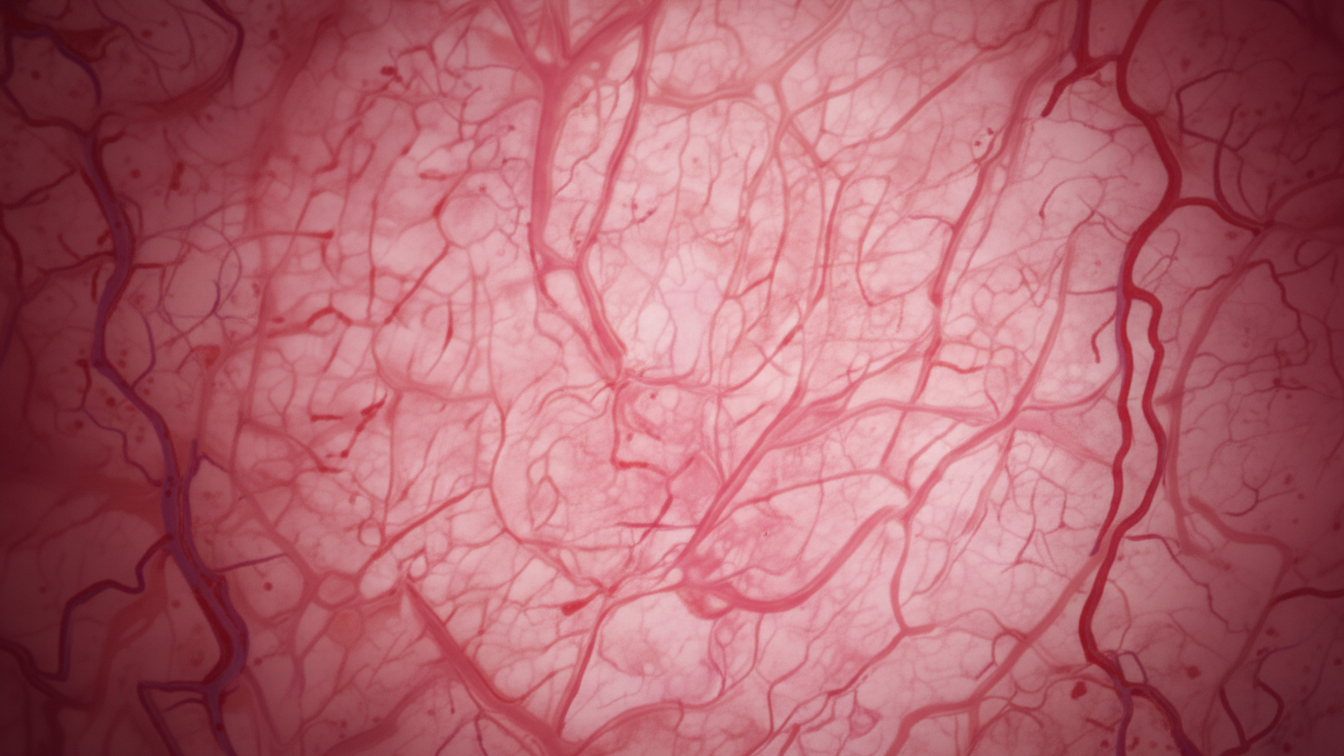
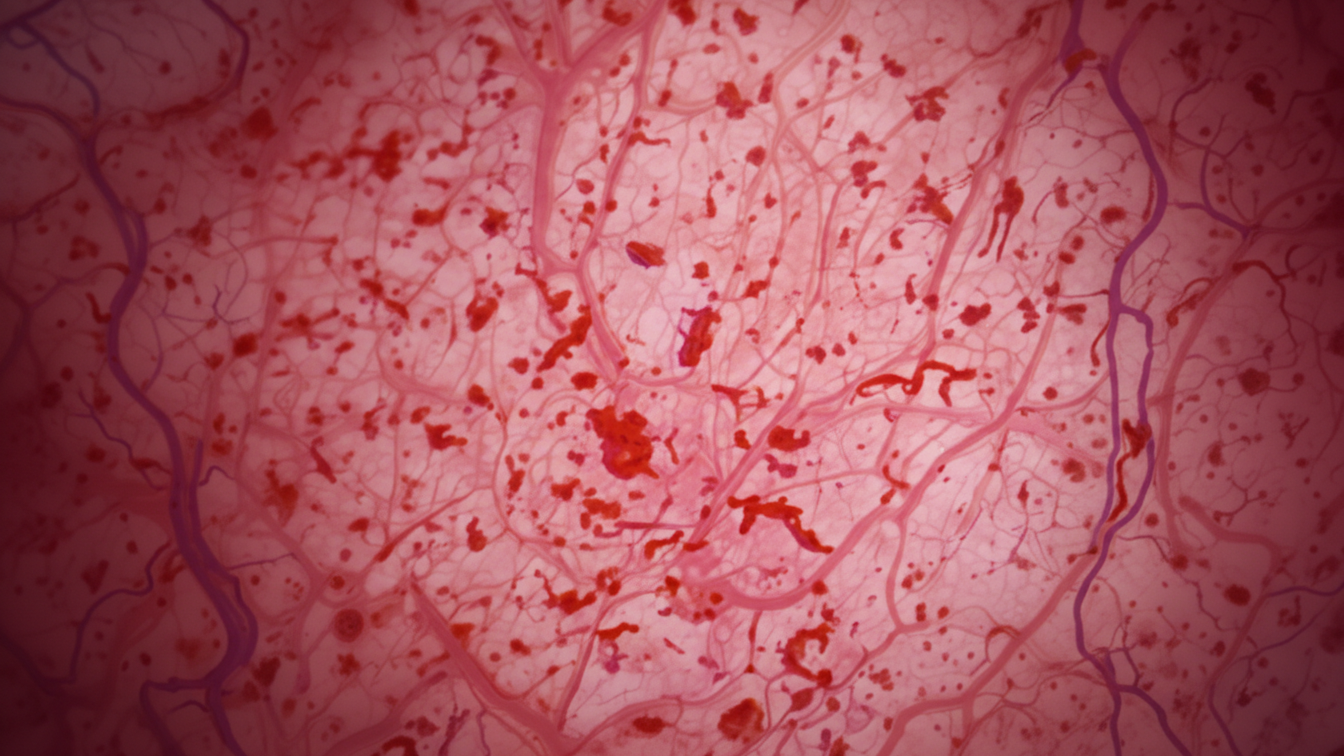
IC affects the bladder lining, surrounding nerves, and pelvic muscles. People with IC may feel similar symptoms to a urinary tract infection (UTI), but tests typically show no infection or bacteria.

Common Symptoms

People with IC often report:

  • Frequent urination

  • Strong, sudden urge to urinate

  • Bladder or pelvic pain or pressure

  • Pain that worsens as the bladder fills

  • Pain during sexual activity

  • Abdominal or lower back discomfort

  • Sleep interruptions

Symptoms often come and go in flares, sometimes associated with stress, certain foods, hormones, or physical activity. Everyone’s experience is unique.

Who Can Develop IC?

IC can affect:

  • Women

  • Men

  • Non-binary individuals

  • Teens (rarely)

It is more common in people assigned female at birth and most often appears between ages 30–50, though it can develop at any age. Many people with IC also have other chronic pain or inflammatory conditions.

Causes of IC

The exact cause of IC is not fully understood, but researchers suggest multiple factors may contribute:

  • Changes in bladder lining

  • Nerve hypersensitivity

  • Pelvic floor muscle differences

  • Immune or inflammatory responses

  • Hormonal influences

  • Past infections or injuries

  • Genetic factors

IC is not caused by hygiene or sexual activity, and it is not your fault.

Diagnosis

There is no single test for IC. Healthcare providers may evaluate:

  • Symptoms and medical history

  • Urine tests to rule out infection

  • Pelvic exams

  • Specialized procedures if needed

Diagnosis often involves ruling out other conditions, such as UTIs, kidney stones, bladder cancer (rare), STIs, overactive bladder, or gynecological conditions.

Management Approaches People Discuss With Professionals

While there is no single cure for IC, people may explore various approaches in consultation with healthcare providers, depending on their individual needs. These can include:

  • Lifestyle or daily support strategies

  • Attention to hydration and diet tolerance

  • Pelvic floor or other professional therapies

  • Stress reduction or mind-body approaches

  • Medications or bladder-based interventions

Individual responses vary widely, and only a qualified healthcare provider can determine what is appropriate.

Living With IC

IC can affect:

  • Work or school

  • Emotional well-being

  • Relationships and intimacy

  • Social activities

People often explore self-observation and supportive strategies to help understand their symptoms, such as:

  • Keeping a symptom journal

  • Adjusting lifestyle habits

  • Exploring relaxation or coping strategies

  • Seeking support from healthcare providers and peer communities

Common Flare Triggers

Triggers differ from person to person and may include:

  • Stress or anxiety

  • Certain foods or drinks

  • Hormonal changes

  • Physical activity or tight clothing

  • Illness, injury, or disrupted sleep

Tracking patterns can be informational but is not a substitute for professional care.

Mental Health and IC

Living with chronic pain may contribute to feelings of:

  • Anxiety

  • Low mood or depression

  • Isolation

These experiences are valid, and support from healthcare professionals, counselors, or peer communities can be helpful.

When to Seek Professional Advice

Seek guidance from a qualified healthcare professional if you experience:

  • Persistent bladder pain

  • Frequent urination without infection

  • Pain or pressure affecting daily life

  • Blood in urine

  • Pain during sexual activity

Early consultation can help clarify your individual situation.

Final Thoughts

IC is a complex, chronic condition. Experiences vary widely, and there is no one-size-fits-all approach. Learning about IC, observing your own patterns, and working with qualified healthcare providers can help you navigate your condition. With information, support, and professional guidance, many people find ways to live meaningful lives despite IC.

This content is for educational purposes only and does not provide medical advice, diagnosis, or treatment. Always consult a qualified healthcare professional regarding IC or related health concerns.

This website uses cookies to improve your experience.
By using this website you agree to our Privacy Policy.

Ok, I am ready
  • Your Guide to Interstitial Cystitis

    • About IC

    • Symptoms & Flares

    • Treatments & Care

    • IC-Friendly Diet

    • Living with IC

    • Mind & Emotions

  • General Information

    • About Interstitial Cystitis

    • Healhly Living

    • IC Support Videos

  • Home

    • Homepage

    • My Story

      New
    • Blog articles

    • FAQ

    • Contact us

You’re not alone.
You’re understood.

Facebook Comment-dots Instagram

Medical Disclaimer

This website is for educational purposes only and is not medical advice. Always consult a qualified healthcare professional about your symptoms or treatment options.

Medical, Affiliate & AI Disclaimer – Privacy & Cookie Policy

Copyright © 2026 – Interstitial Cystitis Today