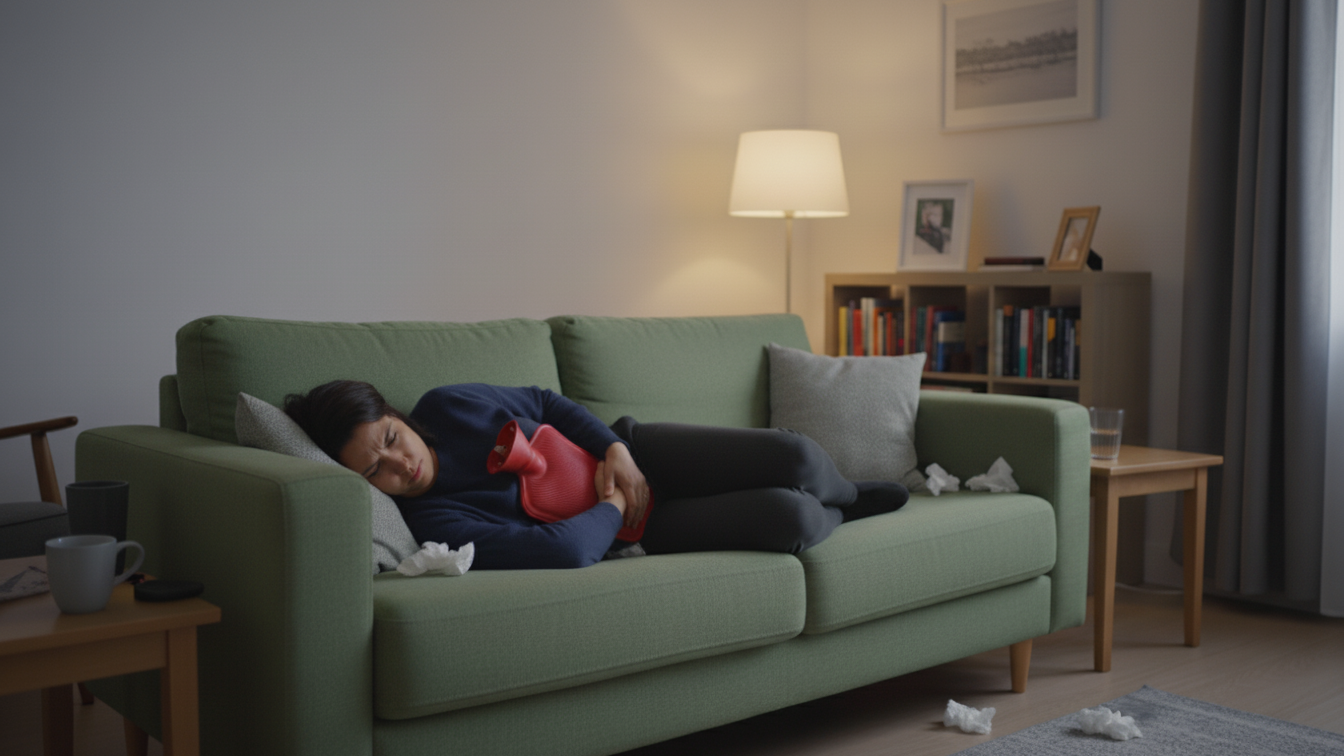
One of the challenging aspects of Interstitial Cystitis (IC) is the unpredictability of flares, periods when symptoms temporarily increase. This article provides an educational overview of commonly reported triggers and approaches some people use to cope.
A flare is generally described as a temporary increase in symptoms such as pain, urgency, frequency, or pressure. Severity and duration vary widely among individuals.
Triggers differ from person to person. Some commonly reported examples include:
Certain foods or drinks
Stress or emotional strain
Hormonal changes
Tight clothing
Physical activity
Individual experiences vary, and not all people react to the same triggers.
During a flare, some people notice changes such as:
Increased urgency
More frequent urination
Stronger pain or pressure
Lower stress tolerance
Some individuals report finding certain strategies helpful for comfort during flares, though experiences vary:
Warm baths or heat packs
Gentle pelvic stretches
Bladder-friendly foods or liquids
Relaxation, breathing, or mindfulness exercises
These approaches are informational and not intended as medical advice. What works for one person may not work for another.
Flares tend to be temporary, and experiences differ widely. Observing patterns and discussing them with a qualified healthcare professional can help you understand your own condition.
This content is for educational purposes only and does not provide medical advice. Always consult a qualified healthcare professional regarding your symptoms or management strategies.
Comments are closed