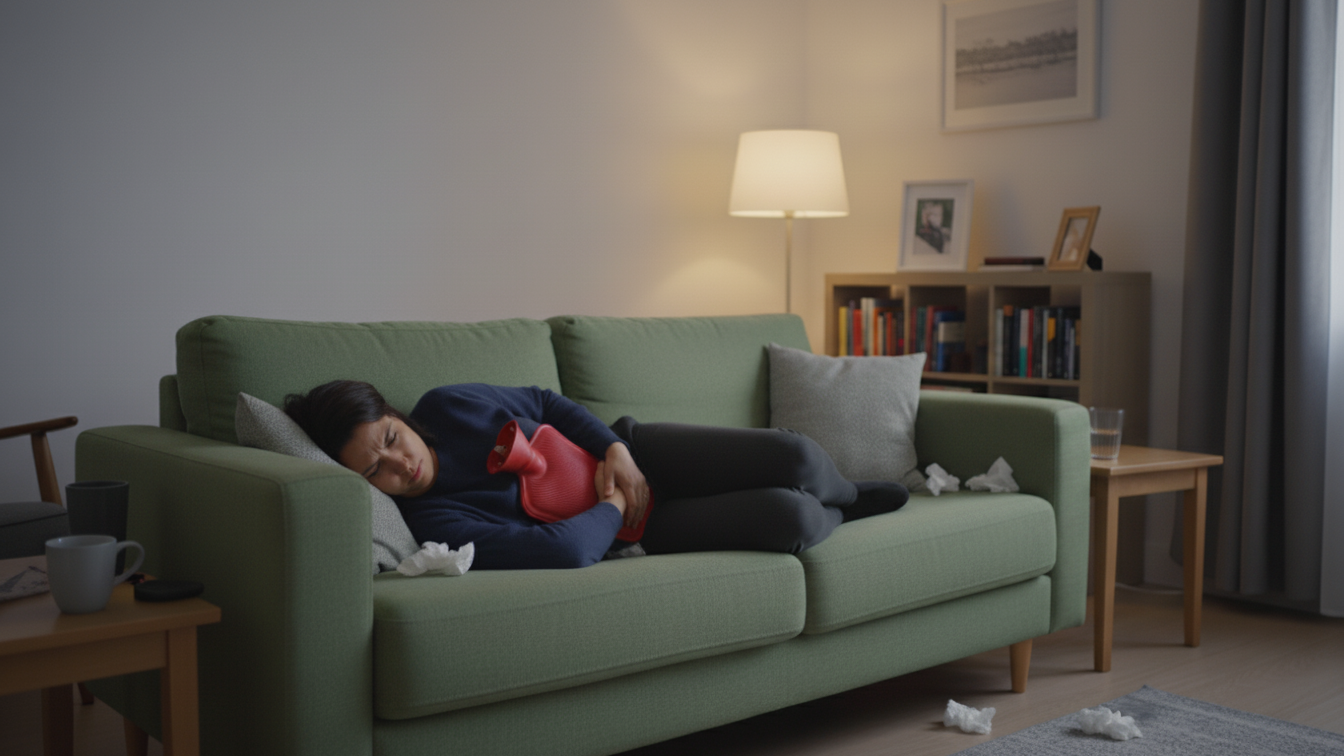
Interstitial Cystitis (IC), also known as bladder pain syndrome, is a long-term condition that can cause bladder pressure, discomfort, and frequent urination without infection. IC symptoms vary widely and can fluctuate over time, but the experience is real and often misunderstood. Mayo Clinic
IC is not a simple bladder infection. It is a chronic condition in which the bladder lining may become irritated or sensitive. Experts do not fully understand why IC develops, but it may involve changes in bladder lining, nerve signals, and immune responses. Mayo Clinic
People with IC often report:
Bladder or pelvic pain
Urgency to urinate
Frequent urination (sometimes many times per day or night)
Pain during sexual activity
Flare-ups that may be associated with stress, certain foods, or activities
Experiences vary widely among individuals. Mayo Clinic
Unlike a urinary tract infection (UTI), IC does not involve a bacterial infection. Urine tests may appear normal even when symptoms are present. This distinction helps healthcare providers make an accurate diagnosis. Mayo Clinic
Diagnosis may involve:
Reviewing medical history and symptom patterns
Urine tests to rule out infection
Pelvic exams
Sometimes additional specialized procedures
There is currently no cure for IC. People may explore a variety of strategies — such as lifestyle adjustments, diet considerations, and professional therapies — in consultation with healthcare providers. Everyone’s experience is unique, and what works varies from person to person.
This content is for educational purposes only and does not provide medical advice. Always consult a qualified healthcare professional regarding diagnosis or management of IC.
Comments are closed